
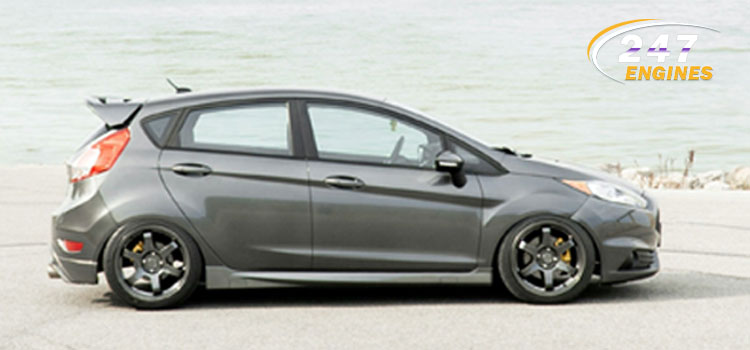
The Ford Fiesta has been one of the most popular compact cars in the world, celebrated for its fuel efficiency, affordability, and reliable performance. At the heart of this car lies the Ford engine, which determines how long the vehicle can serve its owner without major issues. With proper care and attention, many Fiesta owners have been able to enjoy long-lasting performance from their cars. However, like all mechanical components, the engine has a natural lifespan that depends heavily on how it is maintained. We explores the average lifespan of a Ford Fiesta engine, what factors influence its durability, and how reconditioned engines can provide a cost-effective solution when replacement becomes necessary.
Understanding the Typical Lifespan of a Ford Fiesta Engine
The Ford engine inside a Fiesta is designed with durability in mind, but its lifespan varies depending on driving conditions and servicing. On average, with consistent maintenance, a Ford Fiesta engine can last between 150,000 to 200,000 miles. Some drivers have reported engines lasting beyond 250,000 miles when treated with proper care. The longevity is influenced by routine oil changes, timely replacement of filters, and avoidance of aggressive driving habits. The smaller EcoBoost engines, known for efficiency, may require extra attention due to their complex design. Owners who prioritize maintenance can often extend the life of their Fiesta engine significantly, ensuring reliable performance over many years.
The Role of Regular Oil Changes in Engine Longevity
Oil is often referred to as the lifeblood of any Ford engine, and the Fiesta is no exception. Regular oil changes ensure proper lubrication, reduce friction, and prevent harmful deposits from forming within the engine. Neglecting oil changes can lead to sludge buildup, overheating, and premature wear of moving parts. Ford recommends following manufacturer guidelines, usually every 5,000 to 7,500 miles depending on the engine type. Using high-quality oil further enhances protection, especially in turbocharged EcoBoost models. Owners who remain consistent with oil changes can expect smoother performance and a significantly longer lifespan from their Ford Fiesta engine, reducing the likelihood of requiring early replacement or repairs.
Cooling System Maintenance and Overheating Prevention
Overheating is one of the most damaging issues for a Ford engines, and the Fiesta is vulnerable if the cooling system is neglected. Components such as the radiator, thermostat, and water pump must function correctly to regulate temperature. Failure in any of these parts can cause the engine to overheat, leading to warped cylinder heads or blown gaskets. Regularly checking coolant levels, flushing the system as recommended, and replacing worn parts helps prevent overheating. Many engine failures occur due to neglected cooling systems, which is why this aspect of maintenance plays a critical role in extending the lifespan of a Fiesta engine. With diligent care, overheating risks can be minimized, preserving engine health.
Timing Belt and Chain Reliability in the Ford Fiesta
Timing components are crucial in keeping the engine synchronized. The Ford Fiesta uses either a timing belt or chain, depending on the engine model. A worn or broken belt can cause catastrophic damage, as pistons and valves collide. Ford typically recommends replacing timing belts between 60,000 and 100,000 miles, while timing chains usually last longer but still require inspection. Ignoring these components risks sudden breakdowns and expensive repairs. By addressing timing issues proactively, owners ensure smoother performance and avoid engine failure. Replacing worn belts and chains at recommended intervals is one of the most effective ways to ensure that the Ford engine in a Fiesta reaches its maximum lifespan.
The Impact of Driving Habits on Engine Durability
How a vehicle is driven plays a significant role in the durability of a Ford Fiesta engine. Gentle acceleration, consistent speeds, and avoidance of aggressive driving habits reduce engine stress. In contrast, frequent hard acceleration, constant stop-start driving, and overloading the vehicle shorten engine life. Short city trips can also increase wear because the engine rarely reaches optimal operating temperature, leading to incomplete combustion and carbon buildup. Long highway journeys at steady speeds tend to favor longevity. Drivers who adopt smoother driving styles not only benefit from improved fuel efficiency but also extend the overall lifespan of their Ford engines, avoiding premature repairs or the need for replacements.
The Importance of Fuel and Air System Maintenance
For the Ford engine to perform efficiently, the fuel and air systems must operate seamlessly. Dirty fuel injectors, clogged air filters, and failing fuel pumps can cause poor combustion, misfires, and reduced efficiency. Over time, this adds unnecessary strain on the engine, reducing its lifespan. Routine maintenance, such as replacing air filters and using fuel additives to clean injectors, keeps these systems running smoothly. For turbocharged EcoBoost engines, ensuring clean air intake is especially critical to avoid turbo wear. By keeping these systems in optimal condition, owners maximize performance and longevity, helping their Fiesta engines run reliably for many years without major faults.
When to Consider Reconditioned Engines for a Ford Fiesta
Even with the best care, every engine eventually reaches the end of its usable life. When a Ford Fiesta engine fails or becomes too costly to repair, owners often face the decision between replacing it with a brand-new unit or opting for reconditioned engines. Reconditioned engines are rebuilt with new or refurbished parts, thoroughly tested, and restored to near-new condition. They offer a cost-effective solution, allowing owners to extend the life of their vehicles without the high price tag of a new engine. Reconditioned engines are also environmentally friendly, as they recycle existing components. For many Fiesta drivers, choosing a reconditioned engine provides excellent value and renewed reliability.
Professional Maintenance and Specialist Support
While regular maintenance can be handled by most garages, consulting specialists ensures the Ford engine in a Fiesta receives the highest level of care. Ford engine specialists have specific knowledge of common issues, recall histories, and best practices for maintaining different engine models, including EcoBoost variants. They use diagnostic tools to detect early warning signs that general mechanics might overlook. Relying on specialist support not only helps extend engine life but also ensures timely interventions before minor issues escalate. For owners considering reconditioned engines, specialists provide trusted advice and fitting services, ensuring long-term performance. Their expertise is key to maximizing engine lifespan and reliability.