
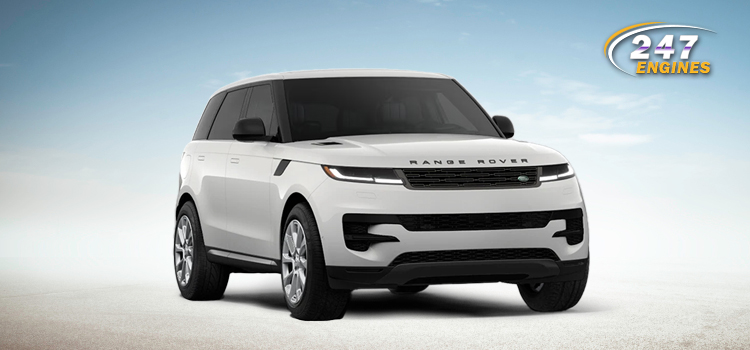
How Hybrid Technology Is Changing the Range Rover Sport Engine Experience?
In the evolving landscape of automotive innovation, the Range Rover Sport Engine stands at the forefront of a new era powered by hybrid technology. The integration of hybrid systems has revolutionized how drivers experience luxury performance, seamlessly combining power with sustainability. The Range Rover Engine, long celebrated for its strength and refinement, now delivers impressive fuel economy and reduced emissions without sacrificing the dynamic drive that defines the brand. This transformation not only enhances performance but also aligns with global sustainability goals. Moreover, even reconditioned engines benefit from hybrid advancements, offering efficient and cost-effective alternatives for Range Rover owners. We delves into how hybrid technology is changing the Range Rover Sport Engine experience across design, efficiency, performance, and environmental impact.
The Evolution of the Range Rover Sport Engine: From Power to Efficiency
The Range Rover Sport Engine has evolved from being purely performance-driven to incorporating intelligent efficiency through hybrid technology. Earlier models focused primarily on power output, with robust V6 and V8 engines dominating the lineup. However, as environmental regulations tightened and customer expectations shifted toward sustainability, Land Rover began introducing hybrid variants that balance power with fuel efficiency. The transition to hybrid systems involves combining traditional combustion engines with electric motors to deliver enhanced torque, reduced fuel consumption, and lower CO₂ emissions. This evolution reflects the brand’s vision of providing high performance with responsibility. Whether in brand-new vehicles or reconditioned engines, these hybrid advancements ensure that Range Rover remains a symbol of technological innovation and environmental awareness, appealing to modern consumers who demand both luxury and eco-friendliness.
Understanding Hybrid Technology in the Range Rover Engine
Hybrid technology in the Range Rover Engine represents a blend of conventional internal combustion and electric propulsion. This system integrates a battery pack and an electric motor alongside the petrol or diesel engine. The two power sources work either independently or in combination, depending on driving conditions. During urban driving, the electric motor powers the vehicle, reducing fuel use and emissions. When more power is needed—such as on highways or rough terrains—the combustion engine activates to deliver maximum performance. Regenerative braking also recovers energy that would otherwise be lost, storing it in the battery for later use. This intelligent energy management system enhances both efficiency and responsiveness. Even for reconditioned engines, hybrid components are meticulously inspected and rebuilt to maintain peak performance. Overall, this fusion of electric and mechanical energy transforms the Range Rover driving experience into one that is smooth, efficient, and environmentally conscious.
Performance Redefined: Power Meets Sustainability
The hybrid Range Rover Sport Engine redefines performance by offering a balance between raw power and eco-friendly efficiency. The combination of electric and petrol power provides instant torque, resulting in rapid acceleration and improved off-road control. Drivers can experience the thrill of a traditional Range Rover with the added advantage of silent electric operation in urban settings. Hybrid technology allows seamless transitions between power sources, ensuring consistent performance across terrains. Additionally, features like adaptive dynamics and torque vectoring enhance agility while maintaining fuel economy. This redefinition of performance also extends to reconditioned engines, where hybrid systems are tested and optimized to meet original factory standards. As a result, hybrid Range Rover engines deliver an exhilarating yet responsible driving experience—proving that sustainability does not have to compromise luxury or capability.
Fuel Efficiency and Reduced Emissions: The Eco Advantage
One of the most significant advantages of hybrid Range Rover engines is their remarkable fuel efficiency and reduced environmental footprint. Traditional Range Rover models, known for their robust engines, often consumed higher amounts of fuel. With the introduction of hybrid technology, fuel consumption has been dramatically reduced. The electric motor handles low-speed driving, where combustion engines are typically less efficient, conserving fuel for when it’s truly needed. Moreover, CO₂ emissions are considerably lower, aligning with global efforts to combat climate change. The plug-in hybrid versions even allow short-distance driving purely on electric power, making city commutes cleaner and quieter. For owners opting for reconditioned engines, this eco advantage is also preserved, as reconditioning ensures all emission-control systems function optimally. Ultimately, hybrid technology allows Range Rover to maintain its luxury appeal while contributing positively to the planet.
Advanced Engineering and Intelligent Systems Integration
Hybrid Range Rover Sport engines showcase cutting-edge engineering and advanced systems integration. Engineers have designed these engines to deliver synchronized performance between the electric and combustion systems. The integration involves smart software algorithms that decide when to engage each power source for optimal efficiency. Moreover, components like the lithium-ion battery pack, regenerative braking system, and electric motor are strategically positioned for weight balance and durability. Intelligent energy recovery during braking and coasting enhances overall range and performance. This advanced engineering approach ensures that the Range Rover Engine remains robust even under demanding conditions, making it suitable for both city drives and off-road adventures. Reconditioned engines also benefit from these advancements, as reconditioning experts replicate factory-grade precision to restore hybrid systems to near-new condition. The result is an engine that delivers premium performance backed by intelligent, sustainable technology.
The Role of Reconditioned Engines in the Hybrid Era
As hybrid technology becomes more prevalent, reconditioned engines play a crucial role in making it accessible to a wider audience. Reconditioned Range Rover engines undergo rigorous inspection, repair, and rebuilding processes to restore them to optimal performance levels. When dealing with hybrid systems, specialized technicians ensure the electric components—such as the motor, battery, and control units—function seamlessly with the combustion engine. This not only provides a cost-effective alternative to purchasing new engines but also promotes sustainability by reducing waste and resource consumption. Reconditioned engines also offer reassurance through warranties and performance guarantees, ensuring that owners experience the same reliability as a new hybrid Range Rover Sport Engine. By supporting the reuse and recycling of high-quality components, reconditioned engines align perfectly with the hybrid philosophy of efficiency and environmental consciousness.
Driving Experience and User Benefits
The driving experience of a hybrid Range Rover Sport is unlike any other. Hybrid technology delivers an exceptional blend of smoothness, quiet operation, and powerful acceleration. In electric mode, drivers enjoy near-silent cruising—ideal for city driving—while the combustion engine ensures unyielding performance on highways and rough terrains. Features like regenerative braking, auto start-stop, and adaptive cruise control enhance driving comfort and efficiency. Moreover, drivers benefit from reduced fuel costs and lower vehicle tax due to decreased emissions. The advanced dashboard displays provide real-time information about energy flow, battery charge, and efficiency levels, keeping drivers engaged and informed. Even in reconditioned hybrid engines, these systems operate seamlessly, maintaining the high standard expected from the Range Rover brand. Overall, the hybrid Range Rover driving experience emphasizes control, luxury, and sustainability, setting new benchmarks in modern motoring.
The Future of Range Rover Engines: A Path Toward Full Electrification
The evolution of the Range Rover Engine toward hybridization is only the beginning of a broader transition to full electrification. Land Rover’s commitment to sustainability includes plans for an all-electric lineup in the near future. The success of hybrid models like the Range Rover Sport demonstrates that drivers are ready for this shift. The integration of hybrid systems has paved the way for the development of fully electric vehicles (EVs) that promise zero emissions and advanced digital connectivity. Even in the reconditioned engine market, the future will involve rebuilding electric powertrains with the same precision and reliability as traditional engines. As battery technology improves, future Range Rover models will offer longer ranges and faster charging times. This journey toward electrification signifies not just a technological shift but also a transformation in how drivers connect with their vehicles—making luxury and sustainability inseparable elements of the Range Rover experience.